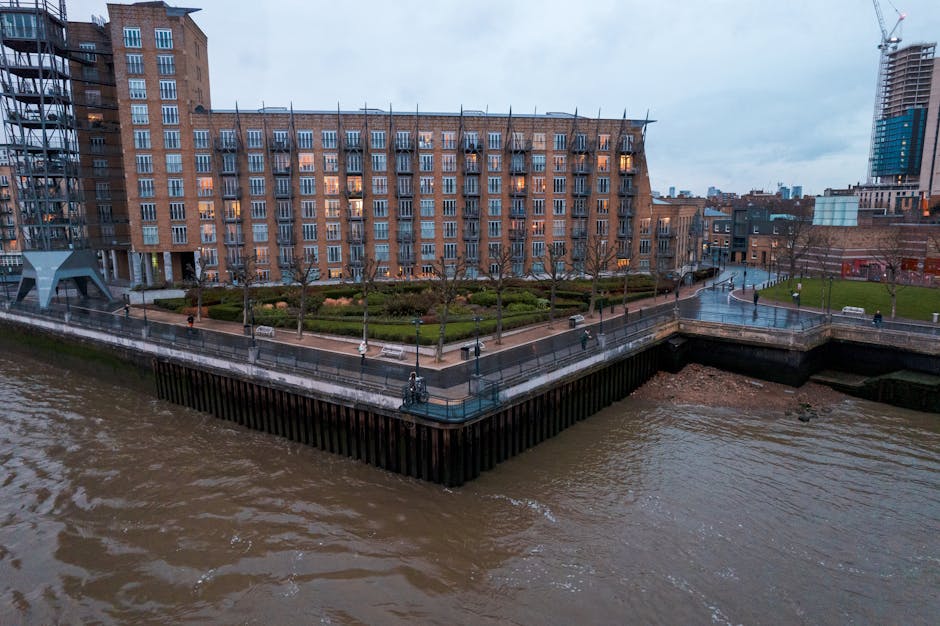
Garden maintenance for SW8 flats on Albert Embankment
Flat living on Albert Embankment has its perks: river views, smart buildings, and outdoor spaces that can feel surprisingly private for central London. But those shared courtyards, roof terraces, planters, and podium gardens do not stay tidy by accident. Garden maintenance for SW8 flats on Albert Embankment is about keeping those spaces safe, welcoming, and genuinely usable all year round, without turning them into a weekend burden for residents or managing agents.
If you are looking after a flat development, a block courtyard, or a compact communal garden in SW8, the main challenge is usually consistency. One month everything looks crisp, the next you have patchy lawn edges, tired bedding, clogged drains, or overgrowth creeping into paths. This guide breaks down what maintenance involves, why it matters, what good service looks like, and how to make sensible decisions for a London property. No fluff. Just the practical stuff that actually helps.
Contents
- Why garden maintenance matters here
- How garden maintenance works
- Key benefits and practical advantages
- Who needs this and when it makes sense
- Step-by-step guidance
- Expert tips for better results
- Common mistakes to avoid
- Tools, resources and recommendations
- Law, compliance and best practice
- Options and comparison table
- Case study example
- Practical checklist
- Conclusion
- Frequently asked questions
Why Garden maintenance for SW8 flats on Albert Embankment Matters
In a riverside neighbourhood, outside space does more than look nice. It shapes how people use the building. A clean, healthy planting scheme can soften a hard block facade, make shared areas feel calmer, and give residents somewhere to pause for a coffee before the day starts. Truth be told, in dense parts of London, even a small managed garden can have an outsized effect.
For SW8 flats on Albert Embankment, maintenance matters for a few very practical reasons:
- Space is limited, so every detail shows. A tired hedge or messy planter stands out quickly.
- Wind and weather can be harsh. Open riverside positions often mean plants dry out faster, lean over, or get battered by gusts.
- Shared use creates wear. Footfall from residents, visitors, deliveries, and cleaners all adds up.
- First impressions count. Prospective tenants, buyers, and guests often judge the whole building from the entrance garden alone.
There is also a quieter benefit: well-maintained greenery helps a building feel cared for. That sounds obvious, but it is one of those things people notice before they can even explain why. A clipped edge, swept path, and healthy planting bed make a block look ordered. And in a city, ordered feels good.
If your property needs ongoing upkeep beyond one-off tidying, it can help to look at garden maintenance services as a structured, repeatable part of building care rather than an occasional rescue job. That shift alone often saves hassle later.
How Garden maintenance for SW8 flats on Albert Embankment Works
Good maintenance is rarely just "mow and go." For flats and communal outdoor areas, the process is usually planned around plant condition, season, access arrangements, and how the space is actually used. One building may need weekly light tidying. Another may be fine with a fortnightly schedule plus occasional seasonal work. It depends on what is there and who is using it.
In practice, a maintenance visit commonly includes some combination of the following:
- Lawn mowing and edging where turf exists
- Deadheading, pruning, and general plant care
- Hedge trimming to keep lines neat and growth under control
- Weeding beds, borders, and paved areas
- Sweeping, litter picking, and light garden clearance
- Watering checks for planters, rooftop containers, and summer bedding
- Inspection for pests, disease, poor drainage, or broken fixtures
Many SW8 developments also have mixed surfaces: a bit of turf, some raised beds, a timber deck, a few planters, perhaps a privacy screen. So maintenance needs to be flexible. A flat communal area is not a suburban lawn, and it should not be treated like one. To be fair, that is where many generic gardening plans fall apart.
Where there is more involved work, a maintenance plan may be supported by landscaping or even selective landscape gardening to improve drainage, layout, and planting structure. That matters when a space is technically "garden" but functions more like a high-use communal courtyard.
Key Benefits and Practical Advantages
Let's face it, maintenance is only worth doing if it makes life easier. The good news is that it usually does. In a flat setting, the benefits are not just cosmetic.
| Benefit | What it means in real terms | Why it matters for SW8 flats |
|---|---|---|
| Better appearance | Cleaner edges, healthier planting, fewer obvious defects | Enhances the building's first impression and resident satisfaction |
| Lower long-term cost | Small problems are dealt with before they become bigger jobs | Helps avoid expensive reactive callouts and heavy clearance work |
| Safer access | Clear paths, fewer trip hazards, less slippery debris | Useful where communal spaces are used daily |
| Healthier planting | Proper pruning, watering, and seasonal care | Important in exposed or drought-prone riverside conditions |
| Better resident experience | The area feels calm, usable, and looked after | Can improve how people feel about the whole development |
There is a practical upside too: regular upkeep reduces the chance of a space drifting into "reset mode," where everything needs to be cut back, cleared, and replanted at once. That is usually more disruptive and more expensive. You can almost hear the sigh from the managing agent when the quote lands.
If the site has overgrown shrubs, self-seeded trees, or debris after a long gap, a one-time reset may be needed first. In those cases, garden clearance can provide a proper starting point before routine maintenance takes over again.
Who This Is For and When It Makes Sense
This topic is not only for landlords. Garden maintenance for SW8 flats on Albert Embankment makes sense for a fairly wide range of people and buildings.
- Managing agents who need a dependable schedule and clear reporting
- Freeholders and leaseholders responsible for shared external areas
- Resident management companies trying to keep costs predictable
- Build-to-rent operators wanting a consistently presentable environment
- Block concierge or site teams who need support with heavier garden tasks
It also makes sense at different stages of a property's life. A new development might need gentle plant establishment, frequent watering, and light trimming. An older block may need structural tidying, hedge work, and occasional tree attention. A terrace with only planters may still need seasonal refreshes, especially if people use the space heavily in spring and summer.
One thing people sometimes forget: gardens in flat developments are social spaces, not just visual features. If children play there, if residents sit out in the evening, if deliveries pass through, if bins are nearby, the maintenance approach has to account for all of that. A one-size-fits-all plan? Not ideal. Not even close, really.
Step-by-Step Guidance
If you are setting up or improving maintenance for a block near Albert Embankment, a simple process helps keep things under control. Here is a sensible way to think about it.
- Assess the space properly. List what is actually there: turf, beds, shrubs, trees, planters, decking, irrigation, lighting, and access points.
- Identify usage patterns. Is it mainly decorative, or used daily by residents? Does foot traffic concentrate in one area?
- Spot priority issues. Look for dead plants, weeds, uneven paving, blocked drainage, or visibility problems at entrances.
- Choose a maintenance frequency. Weekly, fortnightly, or seasonal visits may suit different parts of the site.
- Match tasks to the season. Spring growth, summer watering, autumn leaf fall, and winter cutback all need different attention.
- Set standards in writing. Agree what "tidy" means. Otherwise everyone imagines something slightly different.
- Review and adjust. After a month or two, check whether the schedule is working or needs tightening.
That last step is where the real difference is made. A lot of communal gardens look fine in theory but become frustrating in practice because nobody ever revisits the plan. Maintenance is not a "set and forget" thing. It changes with growth, weather, and how residents actually use the place.
For lawns specifically, a regular cut and edge can stop the area looking scruffy between broader visits. If turf is part of the development, lawn mowing is usually one of the most visible and valuable routine tasks.
Expert Tips for Better Results
Here is the sort of advice that tends to come from experience rather than a brochure.
- Prioritise clean edges. Even if planting is modest, tidy borders and lawn lines make the whole space feel sharper.
- Do not overwater containers. Flat and rooftop gardens can suffer from drainage issues. Too much water can be just as damaging as too little.
- Use plants that suit exposure. Albert Embankment can be breezy, bright, and unforgiving in summer. Plants need to be chosen with that in mind.
- Keep access in mind. Maintenance teams need sensible working space. If tools, bins, or furniture block the route, the job takes longer and costs more.
- Plan for seasonal cleanup. Autumn leaves on paving look harmless until they become slippery and soggy underfoot. Then it gets a bit messy.
- Ask for light reporting. A quick note on what was done, what needs attention, and what is coming next is genuinely useful for block managers.
One more thing. Try not to treat every plant failure as a mystery. In many urban flats, the issue is basic: wrong plant, wrong pot, too little soil, too much wind, or inconsistent watering. Happens all the time.
If you are rebuilding a space rather than just maintaining it, it may be worth reviewing services overview to understand how routine upkeep fits alongside larger improvement work. And if timber features are involved, decking services can be relevant where a terrace or deck needs upkeep as part of the wider garden area.
Common Mistakes to Avoid
These are the errors that cause the most grief in communal flat gardens. Simple, but costly.
- Waiting too long between visits. Small jobs turn into heavy jobs fast in urban gardens.
- Ignoring drainage. Standing water near planters, paving, or turf can cause long-term damage.
- Using the wrong plants for the site. Pretty in spring, dead by August is not a great strategy.
- Letting hedges grow unchecked. Then one day they are no longer a tidy boundary, just a green wall with an attitude.
- Skipping safety checks. Loose branches, broken fixtures, or slippery paths should not be left to "sort themselves out."
- Not agreeing who is responsible. Confusion between residents, agents, and contractors creates delays.
Hedges are a good example. They can be a beautiful part of a development, but only if they are trimmed before they become bulky and uneven. For routine shaping and boundary control, hedge trimming is best treated as part of scheduled maintenance, not an emergency fix.
Another common issue is leaving bigger structural problems too long. If branches are overhanging walkways or blocking light, more specialist work may be needed. In those cases, tree lopping and removal can become relevant, though any tree work should always be assessed carefully and handled by suitably competent professionals.
Tools, Resources and Recommendations
For anyone coordinating maintenance, the best "tool" is usually a proper maintenance plan. But on the ground, a few practical items and resources make life easier.
- Seasonal task list for spring, summer, autumn, and winter
- Site map marking beds, taps, power access, storage, and fragile areas
- Photo record for before-and-after checks and issue tracking
- Resident notice process if work may affect access or cause noise
- Simple reporting format so issues are logged consistently
For businesses or managing agents comparing service levels, pricing and quotes is the natural place to understand how different scopes are typically approached. It is also worth checking insurance and safety so you know what cover and working practices are being used on site. That may sound dry, but it matters when contractors are working around residents, glass fronts, shared paths, or raised edges.
Where tidiness has slipped badly, or there is old waste tucked behind planting, garden clearance can be the starting point before routine maintenance begins again. And if waste reduction matters to the building, recycling and sustainability is worth considering when garden waste, green materials, and reusable cuttings are being handled.
Law, Compliance, Standards, or Best Practice
Garden maintenance in a flat development is not usually complicated from a legal perspective, but there are still sensible standards to follow. The key thing is to avoid casual assumptions. If a task involves height, tools, electrical equipment, access around residents, or removal of waste, it should be managed properly.
In the UK, responsible maintenance usually means:
- Using competent workers for the task at hand
- Managing risks around slips, trips, falls, and sharp tools
- Keeping paths and communal routes clear where possible
- Handling waste and green material in a lawful, tidy way
- Considering resident access, noise, and disruption
For blocks near busy roads or riverside walkways, coordination matters even more. You do not want wheelie bins left in the wrong place, trimmings blowing across paving, or tools set out where a resident might pass through unexpectedly. Common sense? Yes. But common sense is often what gets missed first.
If contractors are being engaged, it is sensible to review service terms and the way work is agreed. You can also read the site's terms and conditions and about us information to understand the approach behind the service. For any website or customer-data questions, the privacy policy is there as a standard reference. None of that is glamorous, granted, but it helps build trust.
Options, Methods, or Comparison Table
Different flat developments need different maintenance models. Below is a simple comparison to help you think through the best fit.
| Approach | Best for | Pros | Watch-outs |
|---|---|---|---|
| Light-touch scheduled maintenance | Small courtyards, planters, low-footfall spaces | Cost-effective, tidy, easy to manage | May not suit fast-growing or exposed sites |
| Full routine maintenance | Communal gardens with mixed planting and some turf | Consistent, visible results, fewer surprises | Needs a clear scope and reliable schedule |
| Reset plus maintenance | Overgrown or neglected spaces | Creates a clean starting point | Higher upfront effort before things calm down |
| Maintenance with improvement works | Spaces needing structural change or redesign | Fixes layout issues as well as upkeep | Can take longer and needs broader planning |
For many SW8 flat buildings, the best option is a combination: routine care for the current space, plus occasional improvement work when drainage, planting, or access needs a rethink. That way you are not constantly firefighting.
Case Study or Real-World Example
Here is a realistic example based on the kind of work many riverside flat developments need. A small communal courtyard in SW8 had neat paving, three raised planters, a patch of lawn, and a few shrubs against the boundary. On paper, it sounded simple. In reality, the space had become uneven after a long spell without proper attention. The lawn was patchy at the edges, weeds had moved into the planter joints, and the shrubs had started to lean into the walkway.
The fix was not dramatic, which is often the case. First, the space was cleared and reset. Then the lawn was cut and edged, the planters were weeded and re-mulched, the shrubs were reduced carefully, and access routes were swept clean. After that, the site moved onto a more regular maintenance rhythm so the same problems would not return immediately.
What changed most was not the planting. It was the feel of the space. Residents started using it more because it looked cared for. That is the quiet win with flat gardens. You are not only maintaining plants. You are making a place people actually want to spend time in. A small thing, maybe. But not really.
Practical Checklist
Use this checklist if you are setting up maintenance or reviewing an existing service.
- Identify every outdoor area attached to the flats
- Separate decorative areas from high-use communal areas
- List the main tasks: mowing, trimming, weeding, clearing, watering, pruning
- Check access for tools, waste removal, and resident movement
- Note any exposed spots, drainage issues, or damaged features
- Agree a maintenance frequency that matches growth and use
- Set a simple standard for tidiness and reporting
- Review seasonal needs before spring and autumn
- Confirm insurance, safety, and waste handling expectations
- Build in occasional review, not just routine attendance
Expert summary: For SW8 flats on Albert Embankment, the best garden maintenance is usually the kind that stays quietly ahead of problems. It is regular, practical, and slightly boring in the best possible way.
Get a free quote today and see how much you can save.
Conclusion
Garden maintenance for SW8 flats on Albert Embankment is really about protecting value, comfort, and day-to-day usability. In a riverside London setting, the outdoor area may be small, but the expectations are not. Residents want it to look clean. Managers want it to be predictable. Everyone wants it to feel like part of the building, not an afterthought.
The good news is that the right plan does not need to be complicated. Start with the site's real needs, set a sensible schedule, and keep one eye on seasonal change. Deal with issues early, keep access clear, and use the right services when the job goes beyond simple tidying. It is steady work, not glamorous work. Yet when it is done well, you notice the difference every single day.
And honestly, that little lift when you step outside on a bright morning and the space looks calm and cared for? Worth it.
Frequently Asked Questions
How often should garden maintenance be carried out for flat developments on Albert Embankment?
It depends on the size of the space, the planting, and how much use it gets. Many communal areas benefit from regular weekly or fortnightly attention, with seasonal visits for heavier pruning or clearance.
What usually gets included in garden maintenance for SW8 flats?
Typical tasks include mowing, trimming, weeding, sweeping, deadheading, light pruning, watering checks, and keeping shared access routes clear. Some sites also need occasional clearance or planting improvements.
Do small communal gardens really need professional maintenance?
Yes, often they do. Small spaces can look untidy very quickly, and problems like weeds, drainage issues, or overgrown edges stand out more when the area is compact and highly visible.
Is lawn mowing enough on its own?
Usually not. A lawn may look fine for a day or two after a cut, but communal gardens also need edging, weed control, hedge care, and general tidying to stay presentable.
What if the garden has been neglected for months?
A one-off garden clearance is often the best starting point. That clears the space properly so routine maintenance can take over without constantly battling old overgrowth and debris.
How do I know whether I need maintenance or landscaping?
If the space is basically sound and just needs regular care, maintenance is usually enough. If the layout, drainage, planting structure, or hard landscaping needs improvement, then landscaping or landscape gardening may be more appropriate.
Are rooftop or balcony gardens harder to maintain?
They can be. Wind, exposure, limited soil depth, and drainage all make container and rooftop planting more demanding than ground-level beds. Plant choice and watering discipline become much more important.
What should managing agents ask a contractor before booking?
Ask what is included, how often visits happen, how issues are reported, what safety practices are used, and how waste is handled. Clear expectations at the start prevent confusion later.
Can hedge trimming be part of regular maintenance?
Absolutely. Hedge trimming is often one of the most valuable routine tasks in communal flat gardens because it keeps boundaries neat, improves light, and stops the space from feeling enclosed or unruly.
What are the biggest maintenance mistakes in flat gardens?
The biggest mistakes are leaving work too long, ignoring drainage, using the wrong plants, and not agreeing who is responsible. Those four alone cause a surprising amount of avoidable mess.
Should garden maintenance plans change with the seasons?
Yes. Spring and summer usually need more growth control and watering, while autumn may call for leaf clearance and winter may need cutback and inspection. Seasonal thinking keeps the site looking better with less stress.
How do I get started if I want a better maintenance routine for our building?
Begin with a simple site review, note the main problem areas, decide what level of care the garden really needs, and then arrange a proper quote and scope. A good starting point is usually to compare the routine tasks with any improvement work that may be needed later.